9 AUGUST 2026·4 MIN READ·Last reviewed: NOVEMBER 2026
Heart-Opening Synergy: How Ceremonial Cacao and Breathwork Deepen Your Somatic Journey
 AI-generated image
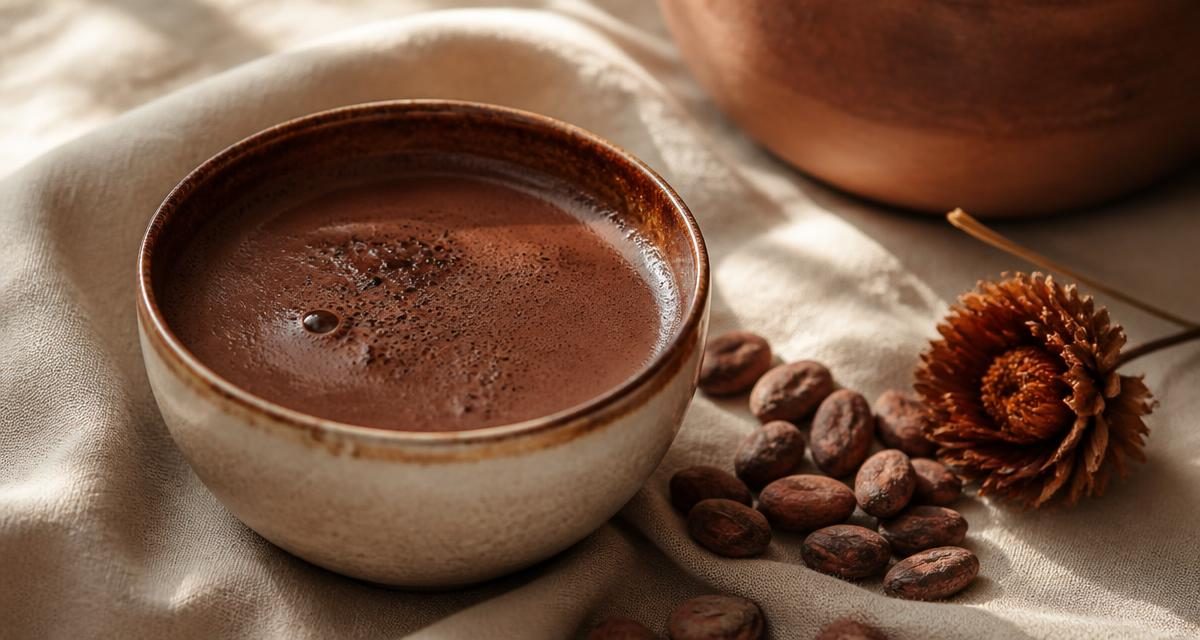
In modern wellness and breathwork formats, one particular combination keeps appearing: the shared practice of ceremonial cacao and conscious connected breathing (such as Rebirthing Breathwork).
At first glance cacao may look like a pleasant treat, yet combined with conscious breathwork raw cacao unfolds a profound effect on body, mind, and nervous system. In this article you will learn about the traditional origins of raw cacao, its biochemical benefits, how it works together with breathwork, and which health risks you should keep in mind.
The Traditional Use of Raw Cacao
The ceremonial use of cacao goes back more than 3,000 years. The indigenous peoples of Mesoamerica — in particular the Maya and the Aztecs — revered the cacao tree (Theobroma cacao, which translates as "food of the gods").
- Ritual practice: In Mesoamerica cacao was typically served as a bitter, often spiced drink rather than a sweet dessert, and it played a role in ceremonies and social life. The earliest known cacao drinks were probably fermented from the fruit pulp.
- A bridge to the spiritual: Cacao was considered a medicine for connecting with the heart, a tonic for warriors, and a shamanic tool to clear the mind and build community.
- Heart opening: In traditional teachings cacao is still understood as a gentle, grounding plant medicine that opens the physical and energetic heart centre without being hallucinogenic.
 AI-generated image
Ingredients of raw Cacao
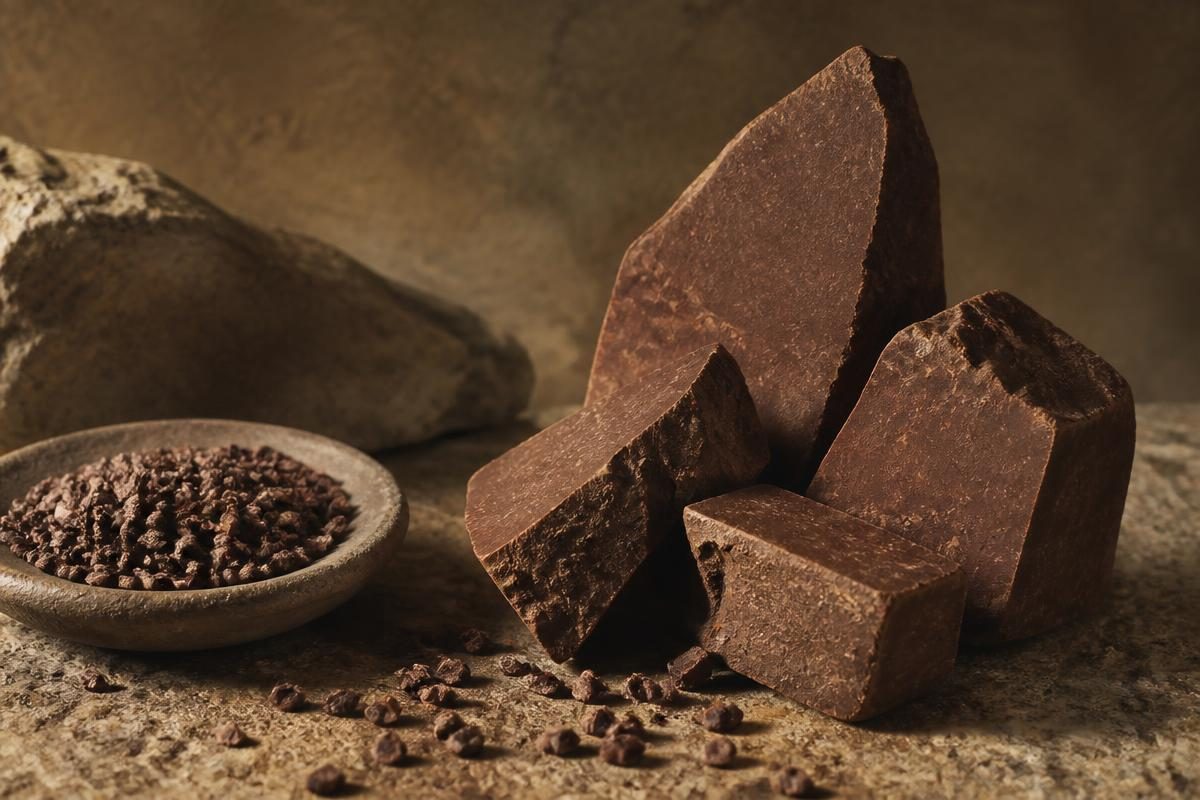
Unlike heavily processed household chocolate, ceremonial cacao stays unroasted and minimally processed. This preserves its valuable biochemical compounds in high concentration:
- Theobromine instead of caffeine: The main active compound in cacao is theobromine (from the Greek theo = god, broma = food). Theobromine is a mild stimulant related to caffeine, with subtler effects. It can raise heart rate slightly. Cacao also contains some caffeine, and higher doses of theobromine can cause unwanted effects.
- Magnesium & muscular relaxation: Raw cacao is one of the richest plant sources of magnesium. Magnesium supports muscle function, helps with physical cramping and tension, and calms the nervous system.
- Bliss molecules (anandamide & PEA): Anandamide (from the Sanskrit ananda, bliss) is an endocannabinoid that strengthens feelings of joy and connection. Phenylethylamine (PEA), often called the "falling in love" molecule, supports focus, motivation, and emotional openness.
- High antioxidant density: The flavonoids in cacao protect cells from free-radical stress and support blood flow to the brain.
Affiliate Link: Looking for high-quality raw cacao or other superfoods? I recommend Good Mood Food - use the code GOODMOODDEALS for 10% off.
The Synergy: Why Cacao and Breathwork Complement Each Other
Combining ceremonial cacao with intensive breathwork (for example Rebirthing Breathwork) creates a synergistic effect on the somatic and emotional level:
Somatic preparation and heart opening:
Before an active breathing session begins, the warm cacao ceremony helps you arrive and put down the busyness of everyday life. The vasodilating effect of theobromine improves circulation and prepares the body well for the deeper breathing that follows.
Softening the analytical mind:
Intensive breathing techniques such as conscious connected breathing are often experienced as quieting the analytical mind, and can help release held tension. Cacao acts as a gentle buffer and amplifier at once: it gives a sense of safety, grounding, and warmth, so that emotional releases — waves of feeling, tears, or old trauma — can be processed with more self-compassion.
Deep nervous system regulation & integration:
The combination of plant medicine, conscious breath, and a protected space makes it possible to move out of the head and directly into embodiment. After the breathing session, cacao makes the landing easier and supports integrating the insights into everyday life.
 AI-generated image
Side Effects, Risks & Contraindications
Although raw cacao and breathwork are natural methods of self-exploration, both bring intense physiological changes with them. It is important to work with them responsibly.
Risks & contraindications with ceremonial cacao:
- Antidepressants and other medication: If you take an MAO inhibitor (a specific class of antidepressant), avoid ceremonial cacao, because chocolate contains tyramine, caffeine and theobromine, which can interact with these drugs. If you take any other antidepressant or regular medication, ask your doctor or pharmacist before drinking a full ceremonial dose.
- Serious cardiovascular conditions: Because theobromine and caffeine can raise heart rate, people with arrhythmia or uncontrolled high blood pressure should not take part without medical advice.
- Pregnancy & breastfeeding: A full ceremonial dose contains caffeine and theobromine, and its safety in pregnancy and breastfeeding has not been established. Please skip it or ask your doctor or midwife first. Health authorities recommend limiting caffeine to 200 mg per day in pregnancy.
- Headaches / dehydration: Cacao contains caffeine and theobromine, which have a mild diuretic effect. Drink enough water before and after the session.
- Dose: It depends how much theobromine and caffeine one serving contains. Studies tested theobromine doses of 250 to 1000 mg, and higher intakes produced more unwanted effects.
General contraindications for breathwork:
The full list of absolute and relative contraindications is in our guide to breathwork contraindications and safety. It applies to every session that includes intensive breathing, with or without cacao.
Conclusion: An Invitation to Deep Self-Exploration
The combination of ceremonial cacao and breathwork is far more than a trend — it combines a long tradition of ceremonial cacao with modern breathing practices. Cacao can add warmth and a sense of ritual, while the breath remains the main practice.
SourcesLast reviewed: November 2026
- · Henderson JS, Joyce RA, Hall GR, Hurst WJ, McGovern PE. Chemical and archaeological evidence for the earliest cacao beverages (opens in a new tab). PNAS, 2007.
- · Coe SD, Coe MD. The True History of Chocolate (opens in a new tab). Thames & Hudson, 1996.
- · di Tomaso E, Beltramo M, Piomelli D. Brain cannabinoids in chocolate (opens in a new tab). Nature, 1996.
- · Di Marzo V, Sepe N, De Petrocellis L, et al. Trick or treat from food endocannabinoids? (opens in a new tab). Nature, 1998.
- · Smit HJ, Gaffan EA, Rogers PJ. Methylxanthines are the psycho-pharmacologically active constituents of chocolate (opens in a new tab). Psychopharmacology, 2004.
- · Baggott MJ, Childs E, Hart AB, et al. Psychopharmacology of theobromine in healthy volunteers (opens in a new tab). Psychopharmacology, 2013.
- · Flockhart DA. Dietary restrictions and drug interactions with monoamine oxidase inhibitors: an update (opens in a new tab). Journal of Clinical Psychiatry, 2012.
- · EFSA Panel on Dietetic Products, Nutrition and Allergies. Scientific Opinion on the safety of caffeine (opens in a new tab). EFSA Journal, 2015.
- · U.S. Department of Agriculture. FoodData Central: cocoa powder, unsweetened (magnesium content) (opens in a new tab). USDA Agricultural Research Service, updated regularly.
Evidence note. Research on ceremonial cacao is limited. The historical information comes from archaeology and ethnohistory. The effects of cacao's ingredients are modest, and the combination with breathwork has not been studied. Descriptions of how participants experience it reflect practice, not research.
Curious to experience Breathwork for yourself?
Explore the next Breathwork Group Sessions in Berlin and find a date that works for you.
Take the private 2-minute check to see whether breathwork may be suitable for you right now.
Talk with me for 15 minutes, without obligation, and explore which kind of support may fit you.