11 OCTOBER 2026·4 MIN READ
The Military Sleep Method: How to Fall Asleep in Two Minutes
The so-called military sleep method is a short body-relaxation routine that promises sleep within about two minutes — even in noisy, uncomfortable or stressful conditions. It has no special equipment, no app and no counting rules. It simply teaches the body to let go, region by region, and then gives the mind somewhere quiet to rest.
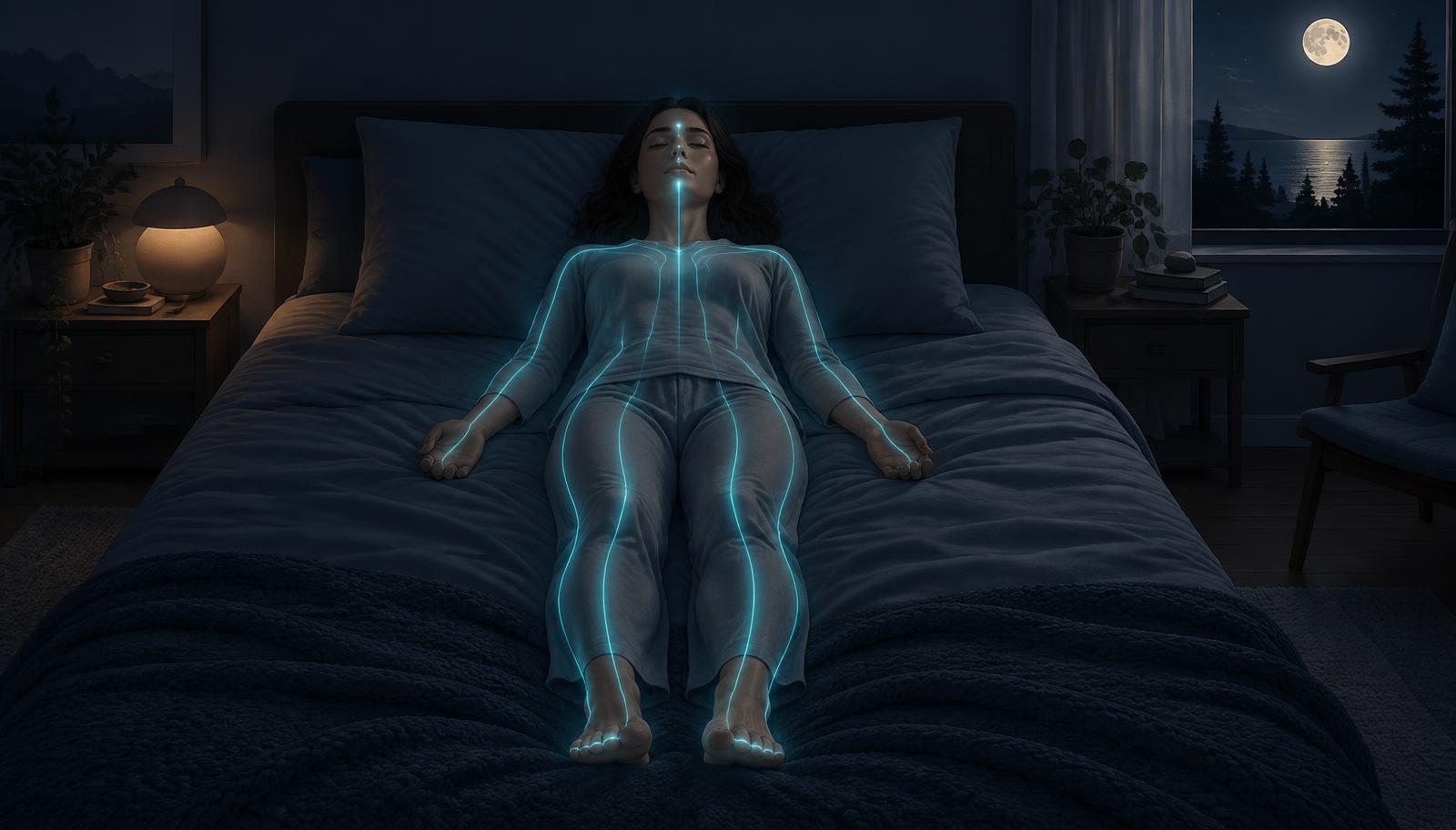 AI-generated image
Where the Method Comes From
The technique is usually traced to Bud Winter, a US track coach who helped train naval pre-flight cadets during the Second World War. Pilots were exhausted and anxious, and fatigue was causing fatal mistakes. Winter taught a systematic relaxation protocol and later described it in his 1981 book Relax and Win: Championship Performance.
The often-quoted figure — around 96 % of pilots falling asleep within two minutes after six weeks of practice — comes from that book. It was not a controlled clinical study, so treat it as an encouraging anecdote, not a guarantee. The underlying principles, however, overlap closely with well-researched methods such as progressive muscle relaxation and slow-exhale breathing.
Why It Works
Falling asleep requires a shift from sympathetic alertness to parasympathetic rest. Tension in the face, jaw, shoulders and hands keeps sending “stay ready” signals to the brain. When you deliberately release those areas, the feedback loop weakens.
- Facial and jaw muscles: they carry much of our daytime vigilance — frowning, focusing, clenching. Releasing them is a strong signal of safety.
- The exhale: a slow, long exhale slows the heart through the vagus nerve. It is the same principle described in breathwork for sleep.
- A neutral mental image: thinking replaces problem-solving with something calm and boring, so the mind stops scanning.
The Military Sleep Method, Step by Step
Lie on your back or in your usual sleeping position. Dim the light. Take a few natural breaths before you begin.
- 1. Relax the face. Soften the forehead and brows. Let the eyelids rest heavily. Unclench the jaw, let the tongue drop from the roof of the mouth, and soften the muscles around the eyes and lips.
- 2. Drop the shoulders and arms. Let the shoulders sink as low as they will go. Release the upper arm, then the forearm, then the hands and each finger — first on one side, then the other.
- 3. Breathe out and release the chest. Take a slow nasal breath in and a longer breath out. With each exhale, let the chest and belly soften and sink. A rhythm of about four counts in and six out works well.
- 4. Relax the legs. Release the thighs, then the knees, calves, ankles and feet, one leg at a time. Feel the body become heavy and supported by the bed.
- 5. Clear the mind for ten seconds. Choose one image and stay with it: lying in a canoe on a still lake under a clear blue sky, or lying in a black velvet hammock in a completely dark room. If images do not work, silently repeat “don’t think, don’t think, don’t think”.
If thoughts return, do not fight them. Gently go back to the image or the phrase. If you are still awake, repeat the sequence from the face down.
Combining It with Breathwork
The method becomes more reliable when the breath leads. Before step one, try two or three physiological sighs — a full nasal inhale, a short second sip of air, then a long, slow exhale. Then keep the exhale longer than the inhale through the whole body scan.
Avoid activating techniques such as fast connected breathing or breath holds in the evening. They raise arousal and belong in a guided session earlier in the day.
How Long Until It Works?
Most people will not fall asleep in two minutes on the first night. In Winter’s account, the pilots practised daily for around six weeks. Think of it as training: the more often you repeat the sequence, the faster the body recognises it as the cue to switch off.
- Week 1–2: practise once during the day, sitting or lying down, and once in bed. Notice which body areas hold the most tension.
- Week 3–4: shorten the sequence. Many people find they can release the whole body in one or two exhales.
- Week 5–6: use it whenever you lie down — at night, for a nap or after waking up at 3 a.m.
When Self-Help Is Not Enough
Relaxation techniques can shorten the time it takes to fall asleep, but they do not treat chronic insomnia, sleep apnoea, depression or anxiety disorders. If you have had trouble sleeping for more than three months, snore heavily, stop breathing at night or feel exhausted during the day, please talk to a doctor.
FAQ
Does the military sleep method really work in two minutes?
For some people, yes — but usually only after weeks of regular practice. The 96 % figure comes from a coaching book, not a clinical trial.
Do I have to lie on my back?
No. The original was taught in many positions, including sitting. Use whatever position you normally sleep in.
What if I can’t visualise anything?
Use the “don’t think” phrase instead, or simply count slow exhales from ten down to one.
Can I use it for naps?
Yes. It works well for short daytime rests and for falling back asleep after waking at night.
Is it the same as progressive muscle relaxation?
It is related. Progressive muscle relaxation tenses and then releases each muscle group; the military method skips the tensing and goes straight to release.
Want to go deeper?
If stress or stored tension keeps your nervous system on alert at night, a guided Rebirthing Breathwork session can help you explore what sits underneath.
Curious to experience Breathwork for yourself?
Take the private 2-minute check to see whether breathwork may be suitable for you right now.
Explore the next Breathwork Group Sessions in Berlin and find a date that works for you.
Talk with me for 15 minutes, without obligation, and explore which kind of support may fit you.
Breath & Chill Newsletter
Occasional updates on upcoming Events, new Breathwork Blog Articles and gentle reminders to take a deep breath. No spam, unsubscribe anytime.